
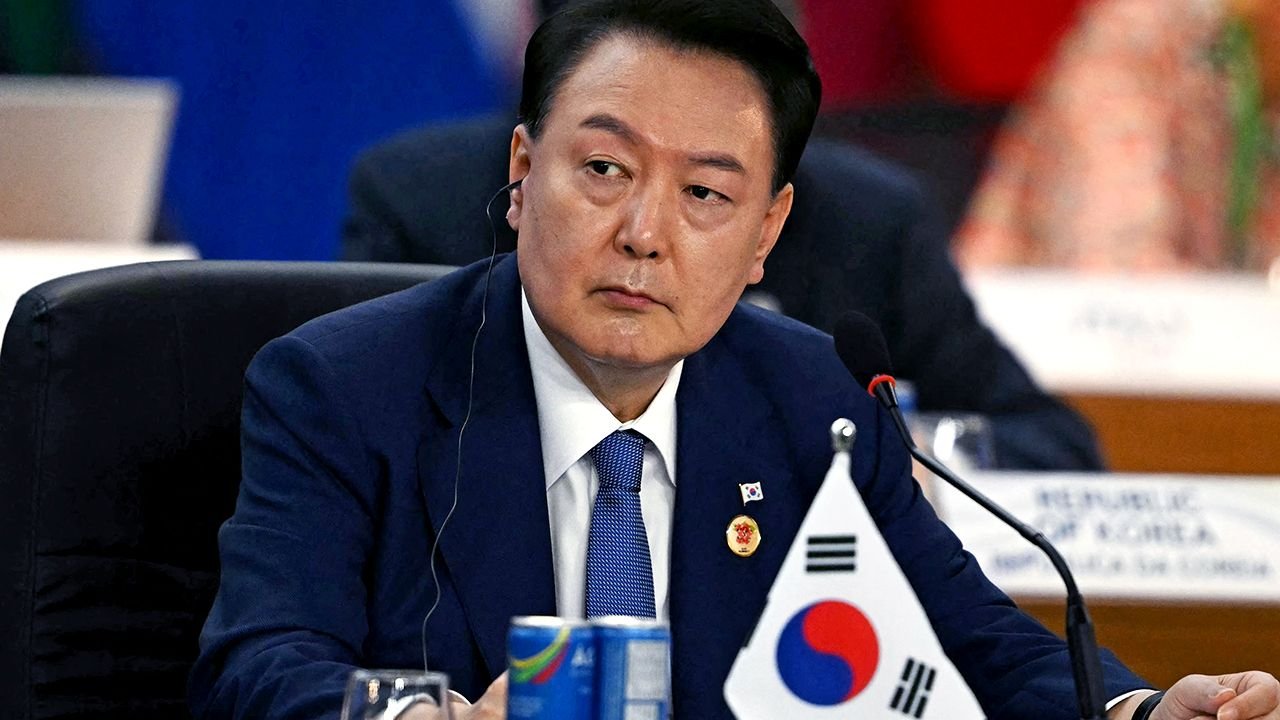
Yoon Suk Yeol is one of the most intriguing political figures in modern South Korean history. Rising from a career as a top prosecutor to becoming the President of South Korea, his journey represents a dramatic shift from legal corridors to the highest office in the nation. The story of yoon suk yeol is not just about politics—it’s about reform, controversy, leadership, and transformation in a country that plays a crucial role in global economics and security.
Born in 1960 in Seoul, yoon suk yeol grew up in an academic household. His father was a prominent economist, and education played a central role in shaping his worldview. He studied law at Seoul National University and later built a reputation as a fearless prosecutor known for investigating high-profile corruption cases.
From Prosecutor to Political Power
Before entering politics, yoon suk yeol served as Prosecutor General of South Korea under President Moon Jae-in. During his tenure, he led investigations into corruption scandals involving powerful political and corporate figures. His reputation for independence earned him both admiration and criticism.
Tensions grew between yoon suk yeol and the Moon administration over judicial reforms. Eventually, he resigned in 2021, a move that many interpreted as the beginning of his political ambitions. Shortly afterward, he joined the conservative People Power Party and announced his candidacy for president.
His campaign focused heavily on fairness, rule of law, economic revival, and a stronger stance on national security. In March 2022, yoon suk yeol narrowly won the presidential election, defeating his liberal rival Lee Jae-myung in one of the closest elections in South Korean history.
Leadership Style and Political Vision
As president, yoon suk yeol emphasized restoring trust in public institutions. He pledged to reduce government interference in markets, promote business-friendly policies, and strengthen alliances, particularly with the United States and Japan.
One of the defining aspects of yoon suk yeol’s leadership has been his firm position on North Korea. He adopted a more hardline approach compared to his predecessor, advocating stronger deterrence and closer military cooperation with allies. This marked a shift in South Korea’s diplomatic tone in dealing with Pyongyang.
Economically, yoon suk yeol focused on deregulation, innovation, and technological growth. South Korea, home to global giants like Samsung and Hyundai, plays a significant role in global supply chains. His administration has aimed to ensure that the country remains competitive in semiconductors, electric vehicles, and advanced technology sectors.
Domestic Challenges and Controversies
Like many leaders, yoon suk yeol has faced significant domestic challenges. Inflation, housing prices, and youth unemployment remain pressing issues. Critics argue that some of his policies favor corporations over social welfare programs.
Additionally, his administration has experienced political friction within the National Assembly, where opposition parties hold considerable influence. This has made passing legislation more complicated.
Public approval ratings for yoon suk yeol have fluctuated, reflecting a divided political landscape. Supporters praise his direct communication style and commitment to law and order, while critics question his political experience and management approach.
Foreign Policy and Global Presence
Under yoon suk yeol, South Korea has strengthened its global presence. Relations with the United States have deepened, particularly in defense and economic security. Cooperation in areas such as semiconductor supply chains and military drills has intensified.
Notably, yoon suk yeol also sought to improve historically strained relations with Japan. This diplomatic shift aimed to create a united front in addressing regional security concerns, especially regarding North Korea’s missile programs and China’s growing influence.
His participation in international summits and forums has positioned South Korea as a proactive global player. From climate change initiatives to technology partnerships, yoon suk yeol has sought to present the nation as a responsible and innovative middle power.
Personal Life and Public Image
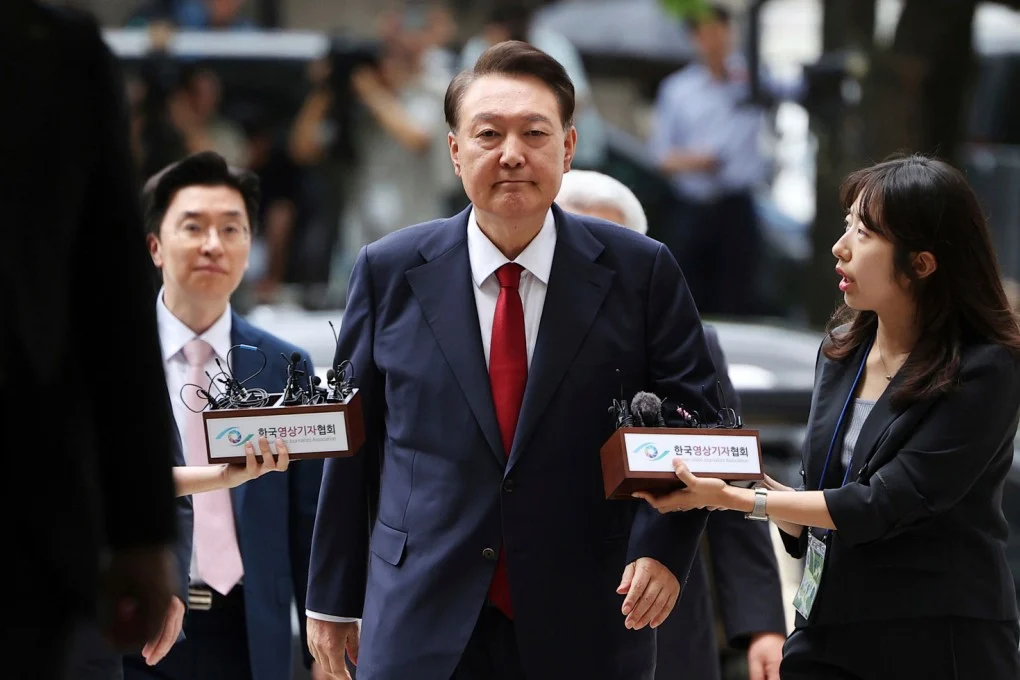
Beyond politics, yoon suk yeol is known for his straightforward personality. He is married to Kim Keon-hee, and his personal life has occasionally attracted media attention. Unlike many career politicians, yoon suk yeol entered politics relatively late, which contributes to his image as an outsider.
His communication style is often described as candid and unscripted. While this authenticity appeals to some voters, it has also led to moments of controversy. Nonetheless, his background as a prosecutor continues to shape public perception—many view him as a leader focused on justice and accountability.
The Legacy in Progress
It is still early to fully define the long-term legacy of yoon suk yeol, but his presidency represents a turning point in South Korean politics. Moving from prosecution to presidency is a rare path, and it has influenced how he governs.
Supporters believe yoon suk yeol is steering South Korea toward stronger economic resilience and firmer national security. Critics argue that greater social unity and domestic policy balance are needed. Regardless of perspective, his impact on South Korea’s political climate is undeniable.
Conclusion: A Transformational Figure
The journey of yoon suk yeol from prosecutor to president reflects the dynamic and evolving nature of South Korean democracy. His leadership style, policy priorities, and diplomatic strategies continue to shape the nation’s future.
Whether admired or criticized, yoon suk yeol remains a central figure in Asian and global politics. As South Korea navigates economic competition, regional security tensions, and domestic reform, his decisions will leave lasting marks on the country’s trajectory.
In a rapidly changing world, the story of yoon suk yeol is far from over—it is still unfolding, chapter by chapter.
