
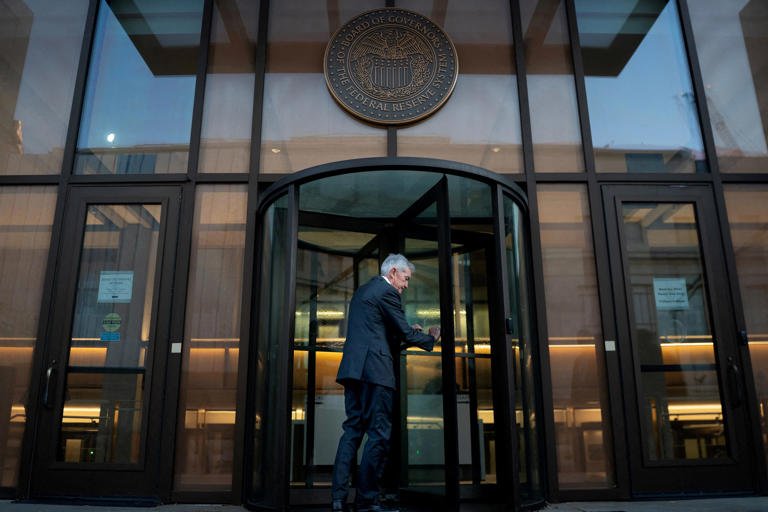
As the Federal Reserve approaches the conclusion of its two-day policy meeting on January 28, expectations are firmly set on a pause in interest rate changes. Yet, beneath the surface of this calm outlook, a wave of political and legal uncertainty is casting a long shadow over the central bank’s decision-making process.
A Likely Pause Amid a Complicated Backdrop
After delivering rate cuts at its last three meetings, the Federal Reserve has brought the federal funds rate down to a target range of 3.5% to 3.75%. Since December, both inflation and labor market conditions have shown little movement, leading many economists to believe policymakers will hold rates steady for now. Some officials have also indicated that monetary policy is approaching a “neutral” level, reducing the urgency for further cuts.
However, market participants will be paying close attention to the Fed’s commentary. Analysts say the tone of Chair Jerome Powell’s remarks could provide valuable insight into how the central bank views evolving risks, including the health of the labor market, inflation pressures tied to ongoing tariff disputes, and recent geopolitical developments involving Venezuela and Greenland.
Legal and Political Pressure Adds New Uncertainty
This meeting carries added weight as it follows significant legal developments. The Supreme Court recently heard arguments in a case involving Fed Governor Lisa Cook, while Chair Powell has confirmed that he is under investigation by the Department of Justice. These events have raised concerns about the Federal Reserve’s independence and whether political forces could influence future policy.
Adding to the uncertainty, Powell’s term as Fed chair is set to expire in May. Treasury Secretary Scott Bessent has indicated that President Donald Trump is expected to announce his nominee for the next chair soon, igniting speculation about a potential leadership shift and its implications for monetary policy.
Will the Fed Cut Rates Again?
At the Fed’s December meeting, the widely watched “dot plot” signaled that policymakers were raising the bar for additional rate cuts. Since then, more recent data has painted a mixed picture. Inflation, as measured by the Consumer Price Index, held steady at 2.7% in both November and December, still above the Fed’s 2% target. Meanwhile, the unemployment rate edged slightly lower in December after reaching a four-year high the previous month.
With economic indicators showing gradual improvement and policy nearing a neutral stance, many experts believe a rate cut in January is unlikely. Instead, the focus is on whether the Fed will signal that the economy is moving toward better balance and stability.
If Not Now, When Might Cuts Resume?
Looking ahead, economists are divided on the timing of future rate cuts. Some forecast reductions as early as March, while others anticipate the next moves in June or later. Factors influencing these projections include expected economic stimulus from tax refunds, infrastructure spending, and the delayed effects of recent rate cuts filtering through the economy.
Most analysts agree that inflation remains the key variable. With price pressures still above target and the economy poised for a first-quarter boost, the Fed appears to be in no rush to act. Many believe it would take a clear and sustained slowdown in the labor market to justify more aggressive easing.
An Evolving Federal Reserve Landscape
Beyond near-term policy decisions, broader questions loom about the future direction of the Federal Reserve. Political pressure for lower rates, the legal case involving Governor Cook, the investigation into Powell, and the prospect of new leadership are all fueling debate over the central bank’s independence.
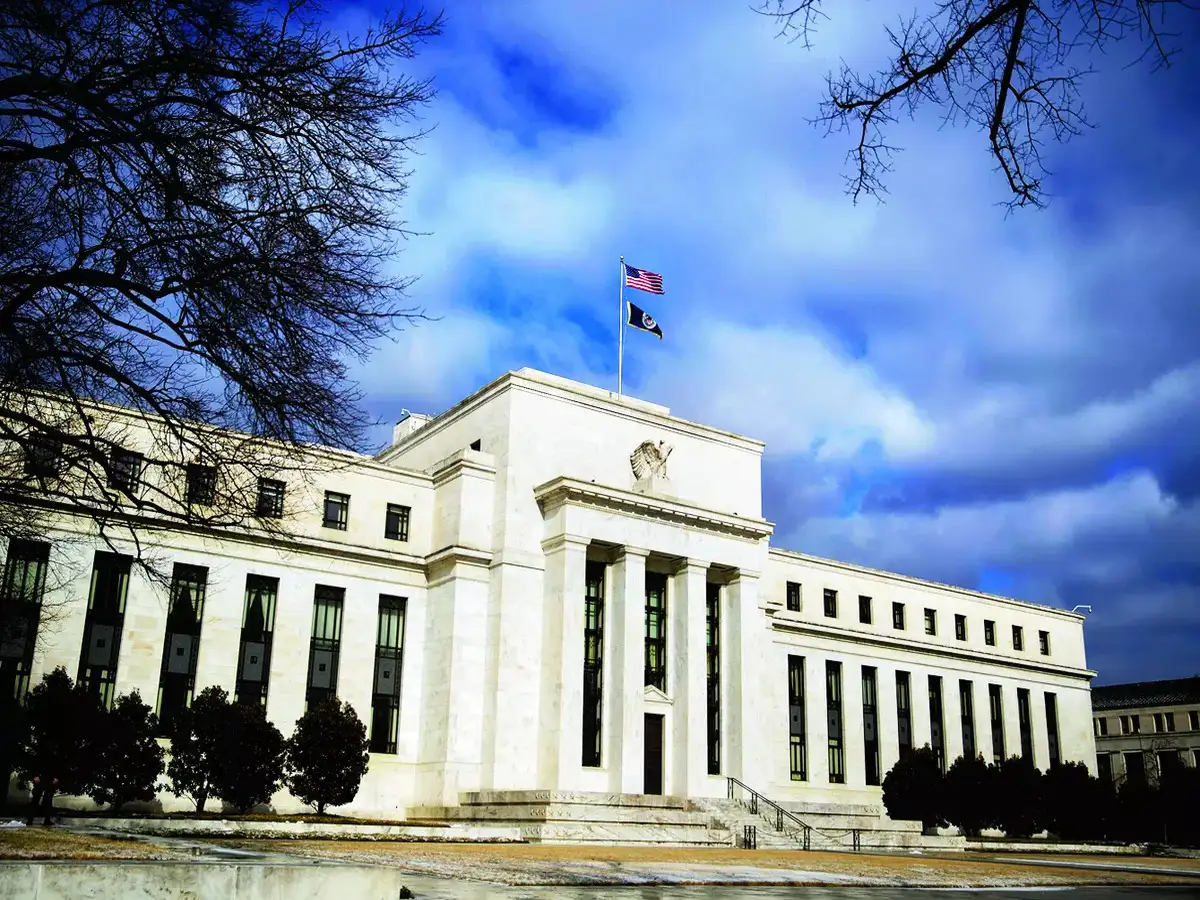
Potential candidates for the next Fed chair reportedly include National Economic Council Director Kevin Hassett, former Fed Governor Kevin Warsh, current Governor Christopher Waller, and BlackRock executive Rick Rieder. A nomination outside the current board would require a vacancy and Senate confirmation, adding another layer of complexity to the process.
The Bigger Picture
In the short term, stability appears to be the Fed’s guiding principle. Still, the intersection of legal challenges, political influence, and leadership changes has introduced a level of uncertainty not seen in years. For investors, policymakers, and the public alike, Will the Federal Reserve Pause Interest Rates? What to Know as Legal Uncertainty Grows is not just a headline—it’s a critical question shaping the economic outlook for 2026 and beyond.
