
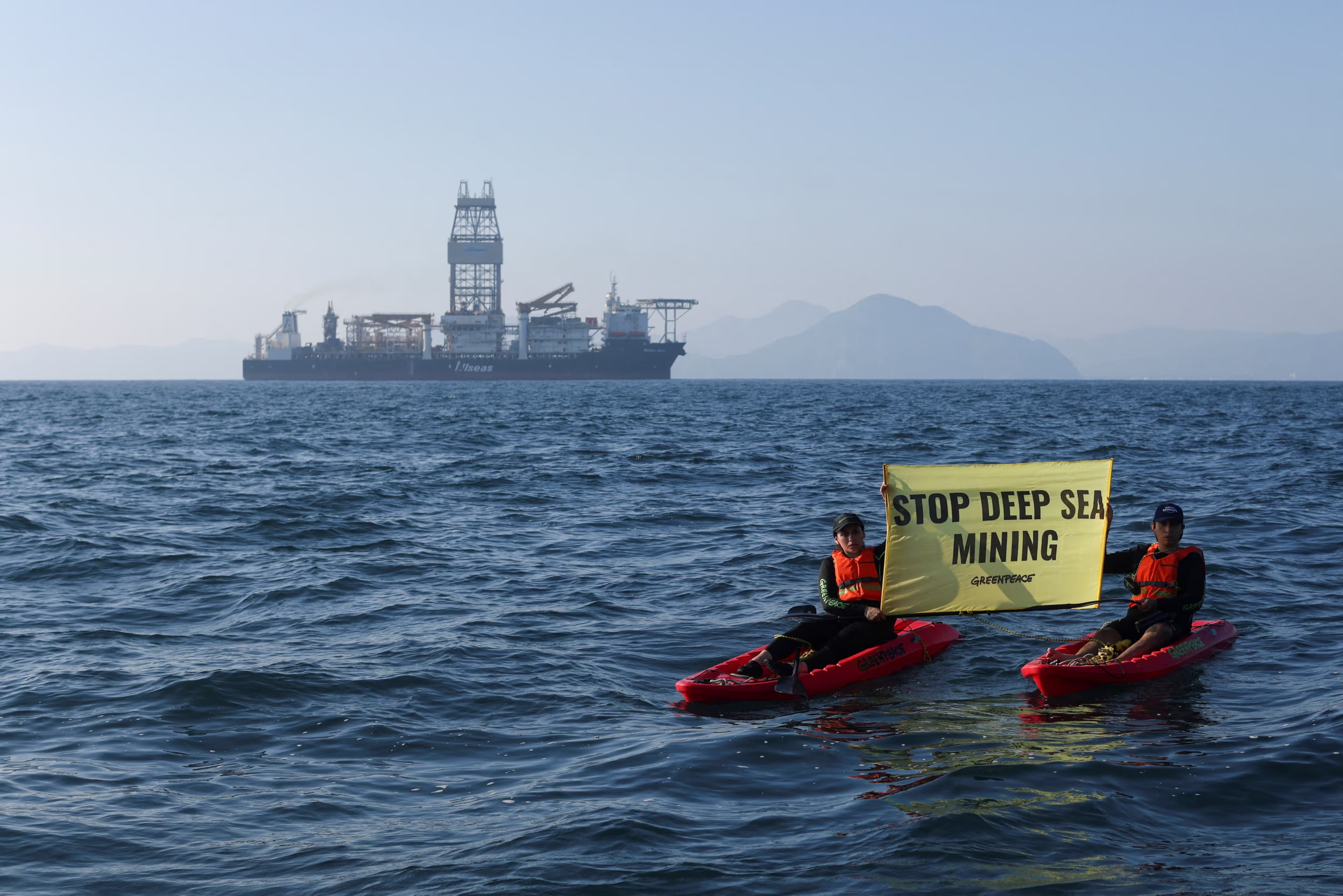
Ocean conservation groups and environmental advocacy organisations have voiced strong opposition to a recent move by Canadian mining firm The Metals Company (TMC), warning that US deep-sea mining permits pose a threat to political stability and environmental protection. The controversy stems from the company’s decision to accelerate its deep-sea mining ambitions by seeking approval through the United States permitting system to operate in international waters.
Acting through its US-based subsidiary, The Metals Company USA, the firm has filed a consolidated application with the National Oceanic and Atmospheric Administration (NOAA). The submission seeks both an exploration licence and a commercial recovery permit to mine polymetallic nodules in the Clarion Clipperton Zone (CCZ), a vast and ecologically sensitive region of the Pacific Ocean that lies beyond national jurisdictions.
This application is significant not only because it targets international waters, but also because it is the first to be filed under NOAA’s newly established consolidated review process. Environmental groups argue that the move represents a dramatic escalation in the company’s plans. In April last year, TMC USA applied for a commercial recovery permit covering roughly 25,000 square kilometres of the CCZ. The latest filing expands that footprint to approximately 65,000 square kilometres—nearly three times the original area—by combining exploration and recovery activities into a single request.
The reaction from civil society has been swift and forceful. Conservationists say the application risks opening the door to large-scale industrial activity in one of the least understood ecosystems on Earth. Critics also argue that US deep-sea mining permits pose a threat to political stability and environmental protection by setting a precedent for unilateral action in areas traditionally governed by multilateral agreements.
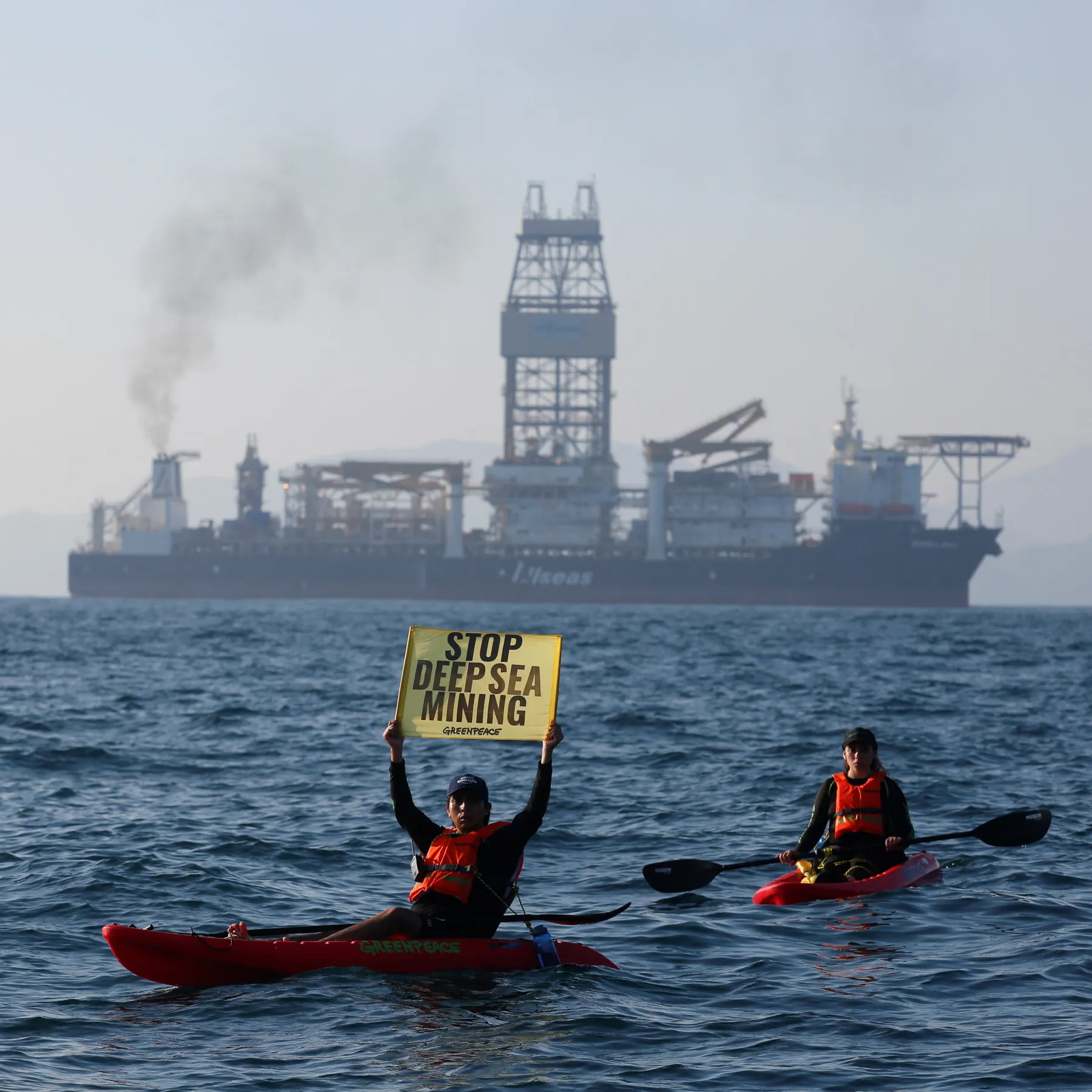
The Deep Sea Conservation Coalition has been particularly vocal, accusing The Metals Company of attempting to sidestep the United Nations Convention on the Law of the Sea (UNCLOS). According to the group, pursuing approval through a national permitting process undermines ongoing international negotiations at the International Seabed Authority (ISA), which is mandated to regulate mining activities in the global seabed.
Sofia Tsenikli, Global Campaign Director at the Deep Sea Conservation Coalition, described the application as a direct challenge to international law. She noted that the move comes just days after the High Seas Treaty entered into force, calling it an alarming signal for ocean governance. In her view, allowing unilateral exploitation of the deep sea threatens both marine ecosystems and the principle of the ocean as the common heritage of humankind.
Tsenikli has urged ISA member states to act swiftly by establishing a moratorium on deep-sea mining. She stressed that decisive action is needed to send a clear message to governments, investors, and industry players that the deep ocean should not be opened to commercial extraction. As debates intensify, environmental groups continue to warn that US deep-sea mining permits pose a threat to political stability and environmental protection, with consequences that could extend far beyond the ocean floor.
