
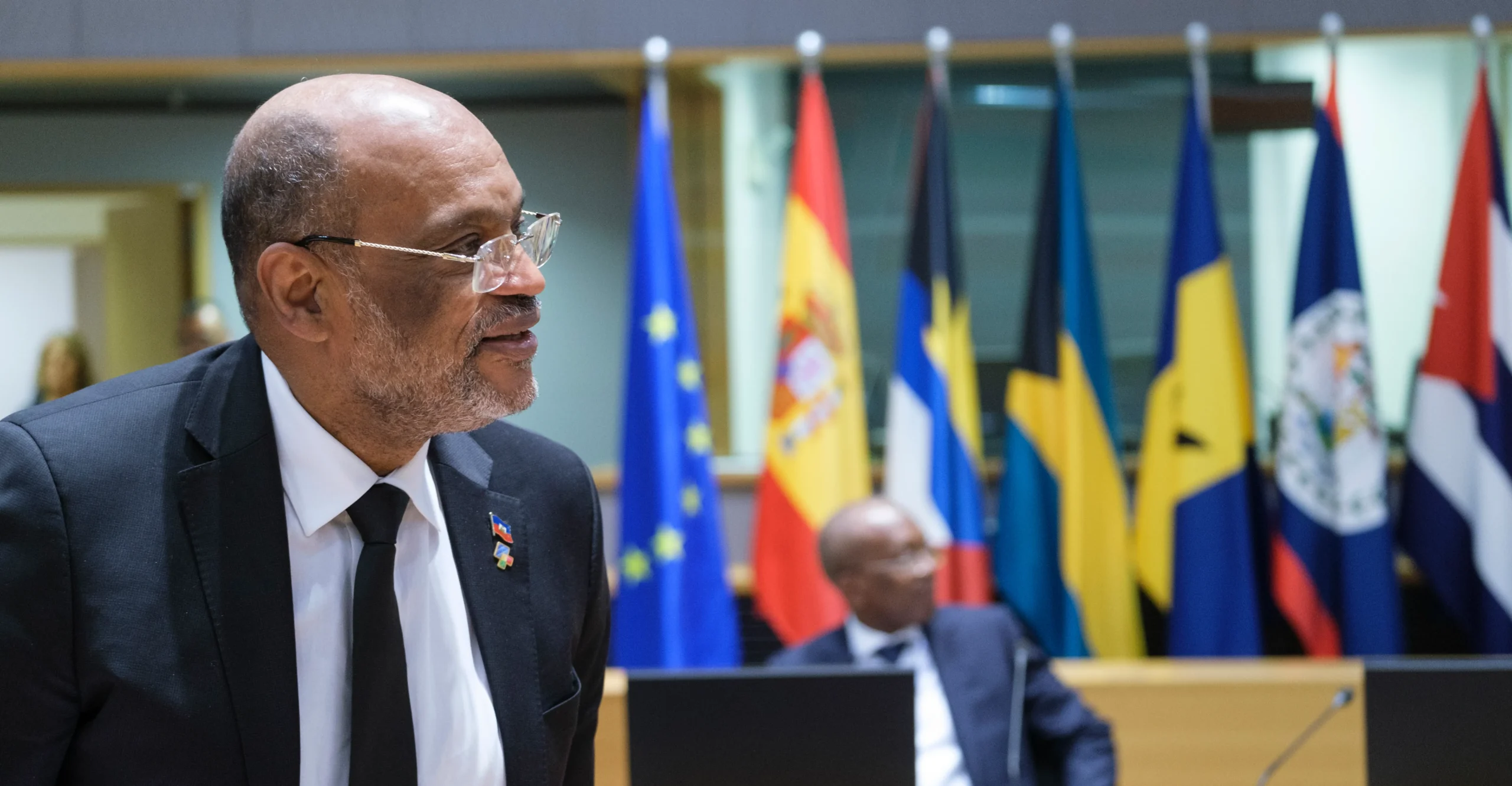
Haitian officials unveil a plan to remove the prime minister, escalating tensions with the United States as Haiti’s fragile transitional government faces yet another political shock, raising fresh concerns about stability, security, and the country’s already-delayed return to democratic rule.
Members of Haiti’s Transitional Presidential Council (TPC) announced on Friday that they intend to oust Prime Minister Alix Didier Fils-Aime, despite explicit warnings from Washington not to pursue such a move. The decision adds fuel to a growing confrontation between Haitian leaders and the United States over who should steer the crisis-hit nation through its current turmoil.
Council Asserts Its Authority
Speaking at a press conference, TPC member Leslie Voltaire defended the council’s position, stressing that it holds the authority to both appoint and remove the prime minister.
“We appointed Didier Fils-Aime in November 2024. We worked with him for a year, and it is our responsibility to issue a new decree naming a new prime minister, a new government, and a new presidency,” Voltaire said.
According to several council members, five out of the nine representatives voted in favor of removing Fils-Aime and replacing him within the next 30 days. However, the decision has not yet appeared in Haiti’s official gazette, a legal requirement before the vote can take effect.
A Council Born of Crisis
The TPC was created in 2024 to serve as Haiti’s highest executive authority following years of instability triggered by the 2021 assassination of President Jovenel Moïse. Intended as a temporary solution, the council quickly became mired in internal disputes, contested appointments, and allegations of corruption.
Just six months after its formation, the council removed Prime Minister Garry Conille and selected Fils-Aime as his successor. Since then, political infighting has continued, undermining the body’s credibility and effectiveness.
Although the council was tasked with laying the groundwork for national elections, it postponed a planned electoral process that was expected to produce a new president by February. Tiered federal elections are now tentatively scheduled to begin in August, even as the council’s own mandate is set to expire on February 7.
Washington Pushes Back
The United States has responded sharply to the council’s latest move. Secretary of State Marco Rubio said he spoke directly with Fils-Aime, underscoring Washington’s support for his continued leadership.
Rubio emphasized that maintaining Fils-Aime as prime minister is critical to confronting armed gangs and restoring stability across the country. He also reiterated that the TPC must dissolve by February 7, warning against “corrupt actors” attempting to derail Haiti’s path toward elected governance for personal gain.
The US embassy in Haiti echoed that message through multiple statements in French and Haitian Creole, cautioning that politicians who destabilize the country or cooperate with gangs could face severe consequences.
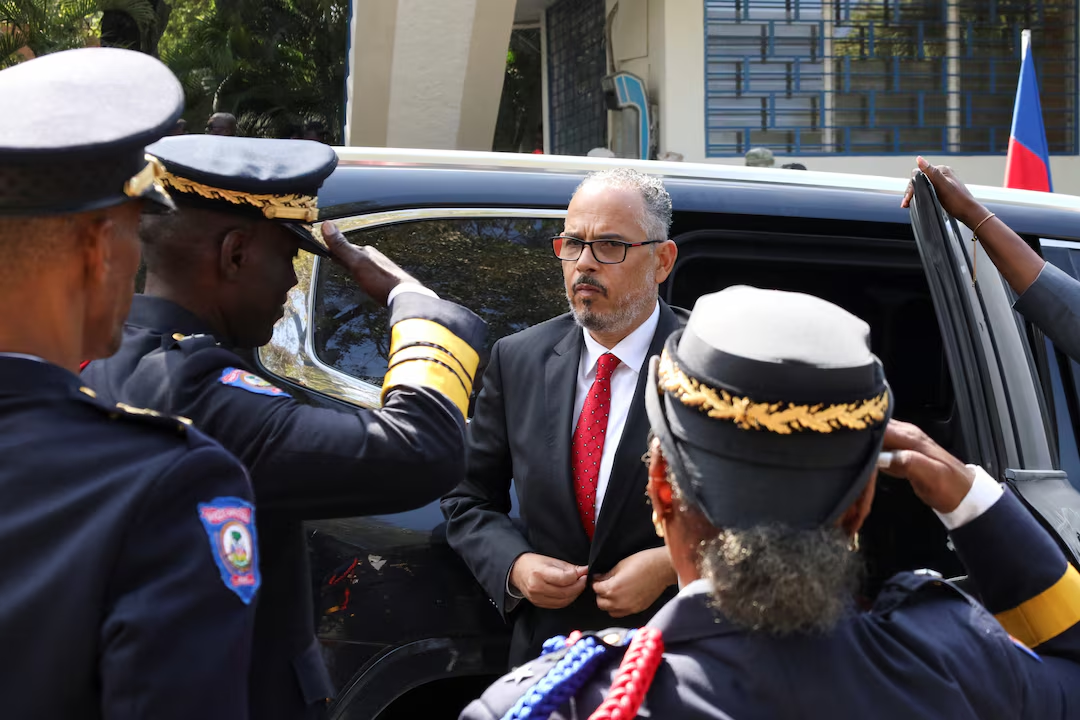
“To the corrupt politicians who support gangs and sow chaos, the United States will ensure they pay a heavy price,” one statement read. The wording sparked intense debate online, particularly around the Creole phrase “pri final,” which some interpreted as a threat of especially harsh repercussions.
Rising Diplomatic and Humanitarian Pressure
The exchange of strong statements reflects what many observers see as a more aggressive US posture in Latin America under President Donald Trump. Tensions escalated further after the US embassy warned that any attempt by the unelected council to change the government’s composition would be viewed as an effort to undermine Haiti’s security.
While Washington has not fully detailed its objections to the council, it previously imposed visa restrictions on an unnamed Haitian official accused of supporting gangs and obstructing anti-terror efforts. TPC member and economist Fritz Alphonse Jean later confirmed he was the official targeted but denied the allegations, claiming the council was being pressured to comply with demands from both the US and Canada.
Violence and Displacement Continue to Mount
The political standoff is unfolding against a grim humanitarian backdrop. More than 1.4 million Haitians have been internally displaced by rampant gang violence, while millions struggle with food shortages as key transport routes remain blocked.
A recent United Nations report revealed that an estimated 8,100 people were killed in violent incidents between January and November last year, a sharp increase compared to 5,600 deaths recorded throughout 2024.
Carlos Ruiz-Massieu, head of the UN Integrated Office in Haiti (BINUH), warned that the country has entered a decisive moment.
“Haiti is now in a critical phase of restoring democratic institutions capable of addressing the nation’s deep-rooted problems,” he said. “The country no longer has time to waste on prolonged internal power struggles.”
As Haitian officials unveil a plan to remove the prime minister, escalating tensions with the United States, Haiti once again finds itself at a crossroads—caught between political infighting, foreign pressure, and an urgent need for stability amid an unfolding humanitarian crisis.
