
As the January 30 federal funding deadline drew closer, leading Democrats had been signaling a clear intention: they did not want to gamble with another government shutdown and the economic and political damage that would come with it. After last year’s record-breaking disruption, party leaders repeatedly stressed that keeping the government open was the priority.
Then Minneapolis changed the conversation.
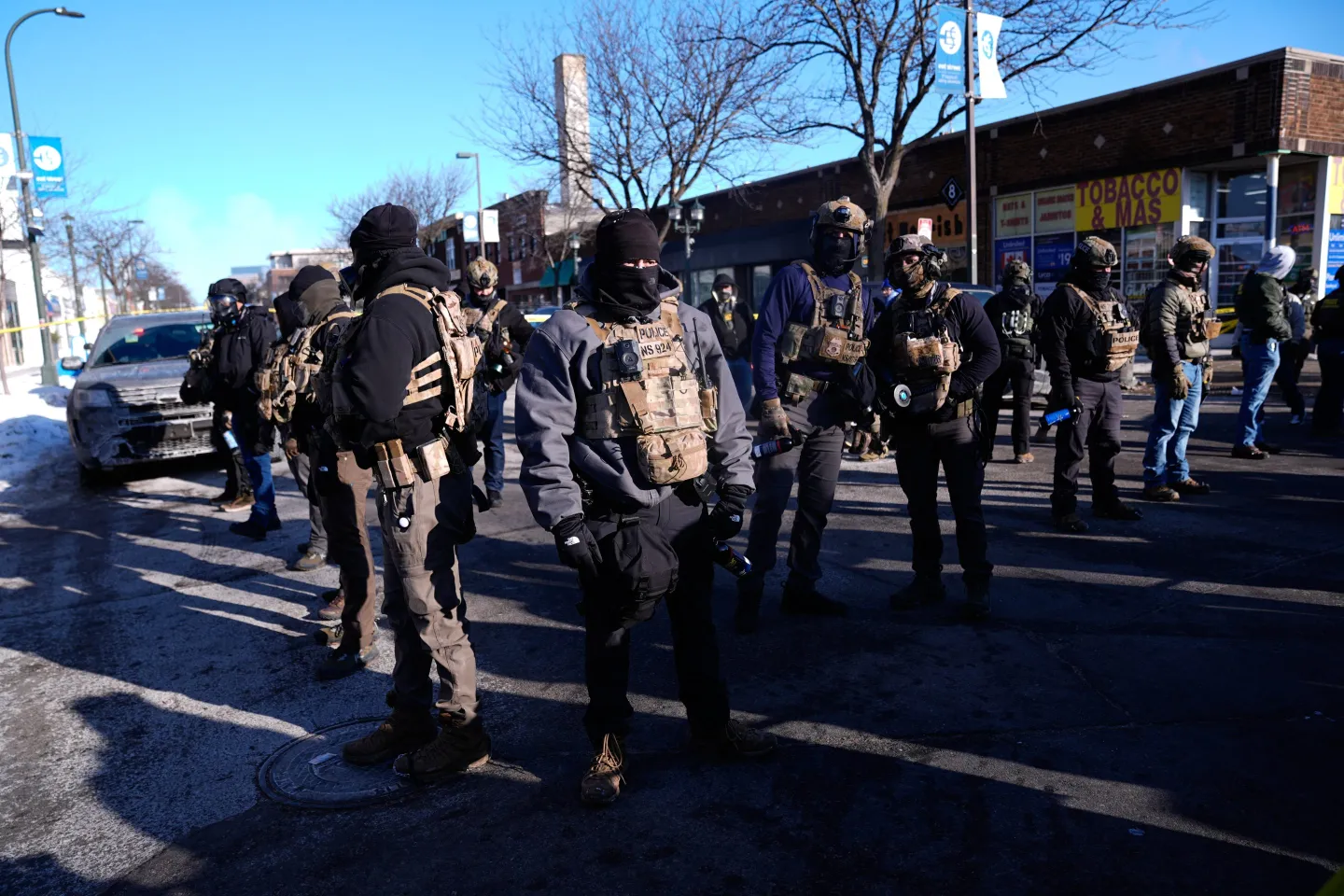
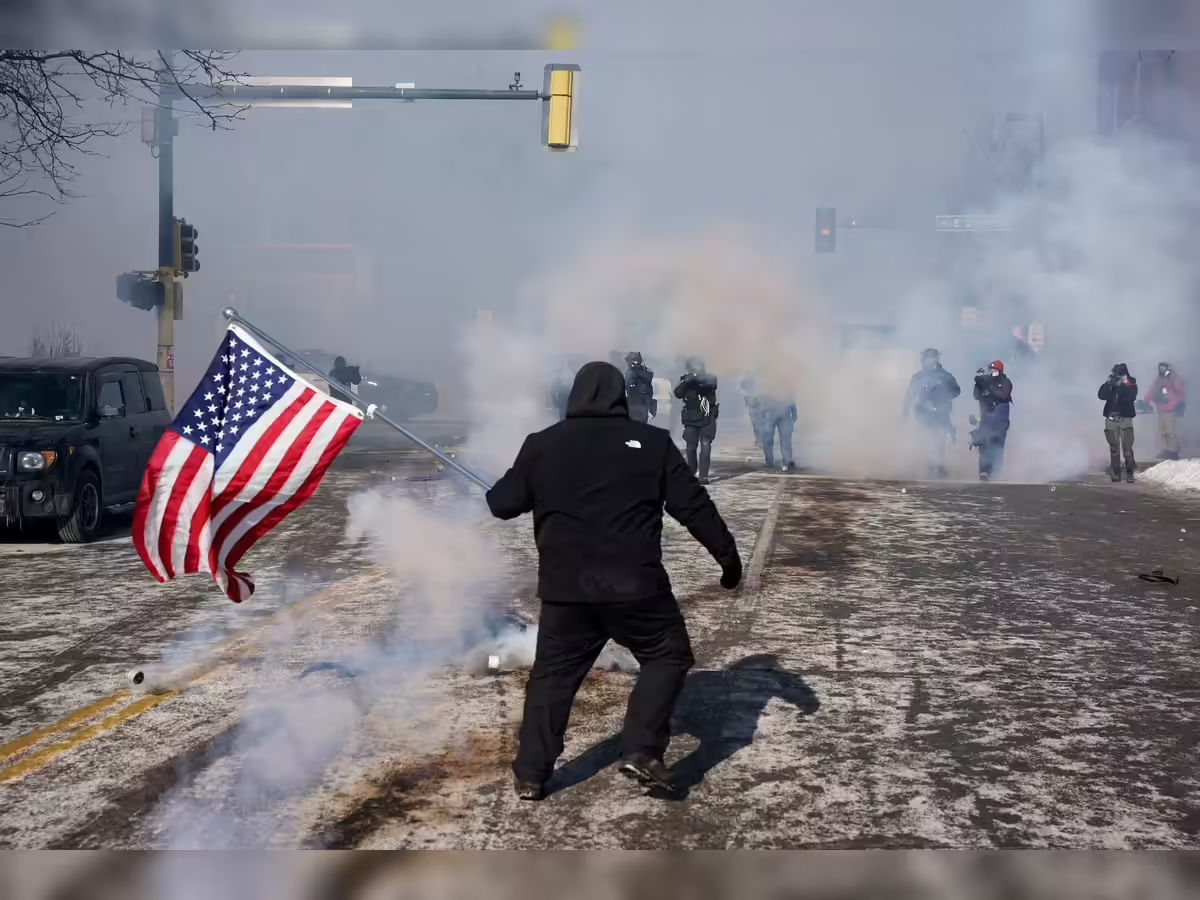
A recent deadly encounter involving federal agents in the city has shaken Capitol Hill and injected new uncertainty into an already tense, last-minute push to pass the remaining appropriations bills. The incident has reignited Democratic opposition to funding the Department of Homeland Security (DHS), raising the stakes just days before the deadline and prompting a difficult question in Washington: Could another deadly shooting trigger a new government shutdown?
A Flashpoint in the Funding Fight
The latest killing, involving a Border Patrol agent and a 37-year-old Minnesota man, has intensified calls among Democrats to pull DHS funding out of the broader spending package and force a separate vote. Doing so would dramatically increase the chances of a partial shutdown, especially given how little time Congress has left to act.
Senate Minority Leader Chuck Schumer, D–New York, made his party’s position clear in a statement following the shooting. He said Senate Democrats would refuse to support legislation that keeps the government open if it also includes funding for DHS.
“What’s happening in Minnesota is appalling and unacceptable in any American city,” Schumer said. “Senate Democrats will not provide the votes to proceed if the DHS funding bill is included.”
Immigration at the Center of the Storm
This standoff comes at a politically charged moment for Democrats. In less than three weeks, two Minnesotans have been killed in incidents involving federal agents, further fueling outrage over President Donald Trump’s hardline immigration policies. With midterm elections looming in November, pushing back against aggressive enforcement has become a defining issue for the party.
The debate is now drawing firm lines over how far Democrats are willing to go to challenge immigration practices, even if it means risking concessions they have already secured from Republicans on priorities like health care and education.
Rep. Alexandria Ocasio-Cortez, D–New York, urged her party to take a hard stance following the January 24 shooting. “Senate Dems should block ICE funding this week,” she wrote on social media. “We can and must stop this.”
A Narrow Path Forward
Because of a major snowstorm that canceled votes for a day, senators will return next week with only a narrow window to approve a massive, must-pass spending package. Included in that package is DHS’s annual budget, which funds Immigration and Customs Enforcement (ICE) and U.S. Customs and Border Protection (CBP).
The DHS bill was initially introduced with bipartisan support, but even its Democratic authors acknowledged its shortcomings. Rep. Rosa DeLauro, D–Connecticut, the top Democrat on the House Appropriations Committee, admitted earlier this month that many in her party would be unhappy with any legislation that funds ICE at all.
While the bill reduces ICE enforcement operations, cuts detention beds, and adds new oversight and de-escalation training requirements, it stops short of the broader reforms Democrats had pushed for. “It takes steps in the right direction,” DeLauro said at the time, “but it does not go far enough.”
Ultimately, even DeLauro voted against the bill she helped negotiate.
Senate Resistance Grows
Despite internal Democratic frustration, the DHS measure passed the House with the support of just seven Democrats and was folded into a larger funding package sent to the Senate. There, it faces a steep hurdle: 60 votes are required to move forward. Republicans control 53 seats, while Democrats hold 47, including two independents who caucus with them.
Initially, many Senate Democrats appeared willing to swallow their objections to avoid a shutdown. That calculus changed after the January 24 killing of Alex Pretti, an ICU nurse identified by Minnesota’s attorney general.
Several influential Democrats quickly announced their opposition. Sen. Brian Schatz of Hawaii and Sen. Mark Warner of Virginia both said they would vote against funding DHS under the current terms.
“I am voting against funding for DHS until real controls are in place to hold ICE accountable,” Schatz said, calling the repeated incidents of violence “unlawful” and “needlessly escalatory.”
Calls for a Split Vote
Sen. Catherine Cortez Masto, D–Nevada, who played a key role in reopening the government during last fall’s shutdown, urged leaders to separate DHS funding from the rest of the budget. Her proposal would allow Congress to pass the remaining bipartisan bills while continuing negotiations over DHS.
“We have bipartisan agreement on 96% of the budget,” she said. “Let’s fund essential agencies now and keep fighting for a DHS that respects constitutional rights and still keeps Americans safe.”
Whether Republicans would agree to such a move remains uncertain.
A Hard Line From Progressives
Progressive Democrats have been especially vocal, pushing leadership to draw a firm line against the Trump administration.
“Congress should not fund this version of ICE,” Sen. Chris Murphy of Connecticut said on X.
Sen. Elizabeth Warren of Massachusetts was even more blunt: “I’m a hell no. Not a penny more for ICE. We should not fund this terror.”
With days left before the deadline and positions hardening on both sides, Congress is racing against the clock. As tensions rise, the looming question remains unresolved: Could another deadly shooting trigger a new government shutdown?
